
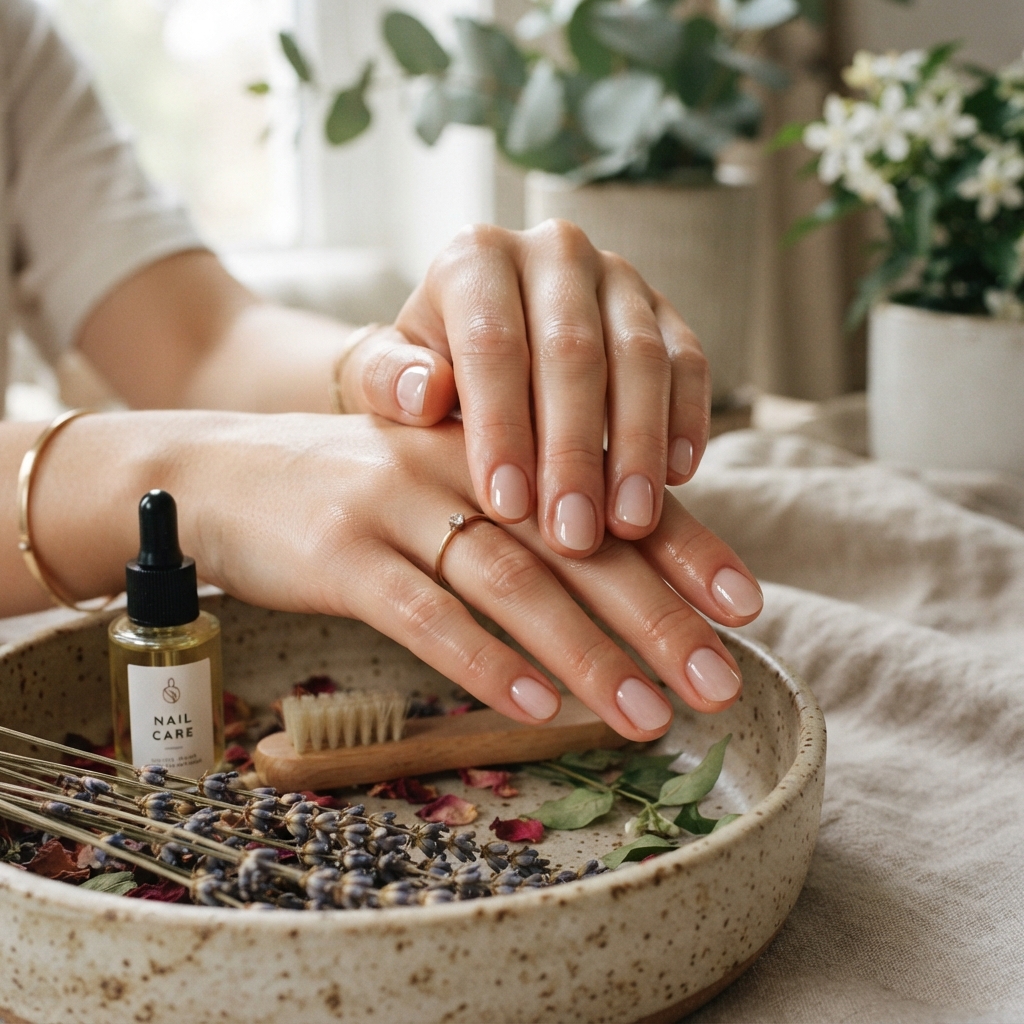
The Complete Guide to Healthy Nails: 25 Expert Tips for Stronger, Healthier Nails
Healthy nails are more than just a cosmetic feature—they’re a reflection of your overall health. Strong, smooth nails protect your fingertips, improve your appearance, and can even reveal early signs of nutritional deficiencies or health conditions. If you want naturally beautiful nails, follow these expert-backed tips to keep them healthy year-round.
1. Keep Your Nails Clean
Wash your hands regularly and gently clean underneath your nails to remove dirt, bacteria, and germs. Dirty nails can become a breeding ground for infections.
2. Trim Your Nails Regularly
Cut your nails every few weeks to prevent splitting, cracking, and painful breaks. Keeping them at a manageable length also reduces the risk of injuries.
3. File Nails Correctly
Always file in one direction instead of sawing back and forth. This helps prevent peeling and weak nail edges.
4. Moisturize Your Nails and Cuticles
Apply hand cream or cuticle oil every day. Hydrated nails are less likely to crack, split, or become brittle.
5. Never Cut Your Cuticles
Your cuticles protect your nails from bacteria and fungi. Instead of cutting them, gently push them back after a shower or bath.
6. Stay Hydrated
Drinking enough water every day helps prevent dry, brittle nails and supports healthy nail growth.
7. Eat a Protein-Rich Diet
Nails are made primarily of keratin, a type of protein. Include foods like eggs, chicken, fish, beans, lentils, tofu, and Greek yogurt in your diet.
8. Get Enough Biotin
Biotin may help strengthen weak nails. Foods rich in biotin include eggs, almonds, sweet potatoes, salmon, sunflower seeds, and spinach.
9. Increase Iron Intake
Iron deficiency can cause thin, brittle, or spoon-shaped nails. Eat lean meats, leafy greens, beans, lentils, and fortified cereals.
10. Don’t Forget Zinc
Zinc supports nail growth and repair. Good sources include pumpkin seeds, beef, chickpeas, seafood, and nuts.
11. Eat Vitamin-Rich Foods
Vitamins A, C, D, and E all contribute to healthy nails and skin. Fill your plate with colorful fruits and vegetables every day.
12. Wear Gloves While Cleaning
Household cleaning products contain harsh chemicals that can weaken nails. Wear rubber gloves when washing dishes or cleaning.
13. Limit Water Exposure
Constantly soaking your hands in water can make nails softer and more likely to split. Dry your hands thoroughly after washing.
14. Avoid Using Nails as Tools
Don’t use your nails to open cans, scrape stickers, or pry objects apart. This can cause cracks and breakage.
15. Choose Gentle Nail Products
Look for nail polishes and removers that are acetone-free whenever possible to reduce dryness and damage.
16. Give Your Nails a Break
If you frequently wear nail polish, gel polish, acrylics, or press-on nails, give your natural nails time to recover between applications.
17. Stop Biting Your Nails
Nail biting damages the nail bed, increases the risk of infection, and can permanently affect nail growth.
18. Keep Nail Tools Clean
Disinfect nail clippers, files, and scissors regularly to prevent bacteria and fungal infections.
19. Watch for Nail Changes
Discoloration, thickening, ridges, or unusual spots may indicate infections or health conditions. Seek medical advice if changes persist.
20. Protect Your Hands in Cold Weather
Cold air can dry out your skin and nails. Wear gloves outdoors during winter and moisturize your hands often.
21. Massage Your Cuticles
A gentle daily massage improves blood circulation around the nail bed, which may support healthy nail growth.
22. Avoid Peeling Off Nail Polish
Peeling polish can remove the top protective layer of your nails, leaving them thinner and weaker.
23. Maintain Good Overall Health
Regular exercise, quality sleep, and stress management support healthy circulation and overall nail growth.
24. Don’t Ignore Persistent Problems
If your nails remain brittle, painful, discolored, or unusually shaped despite proper care, consult a healthcare professional to rule out underlying conditions.
25. Be Patient
Healthy nails grow slowly. Fingernails typically grow about 3 millimeters each month, so consistent care is the key to long-term results.
Foods That Support Healthy Nails
- Eggs
- Salmon
- Chicken
- Lean Beef
- Greek Yogurt
- Spinach
- Kale
- Sweet Potatoes
- Almonds
- Walnuts
- Pumpkin Seeds
- Sunflower Seeds
- Lentils
- Chickpeas
- Oats
- Blueberries
- Oranges
- Strawberries
- Avocados
- Broccoli
Habits That Can Damage Your Nails
- Biting your nails
- Picking at cuticles
- Peeling off nail polish
- Excessive use of acetone
- Wearing acrylic nails continuously
- Using nails as tools
- Frequent exposure to harsh cleaning chemicals
- Skipping moisturizer
- Poor nutrition
- Smoking
When Should You See a Doctor?
Contact a healthcare professional if you notice:
- Persistent nail pain
- Thick or yellow nails
- Dark streaks under the nail
- Nails separating from the nail bed
- Swelling or pus around the nail
- Severe nail brittleness that doesn’t improve
- Sudden changes in nail shape or color
Early evaluation can help identify infections or underlying health conditions before they become more serious.
Final Thoughts
Healthy nails don’t require expensive treatments—they require consistent care. By following these simple daily habits, eating a balanced diet, protecting your hands, and paying attention to changes in your nails, you can enjoy stronger, smoother, and healthier nails for years to come. Small improvements in your routine today can make a big difference in the appearance and strength of your nails tomorrow.